About Transmission Line Hardware Fittings
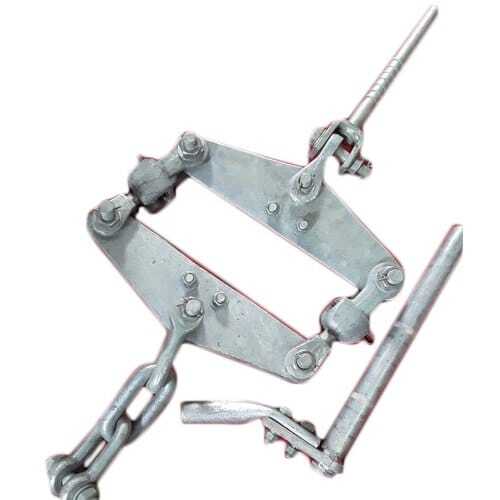
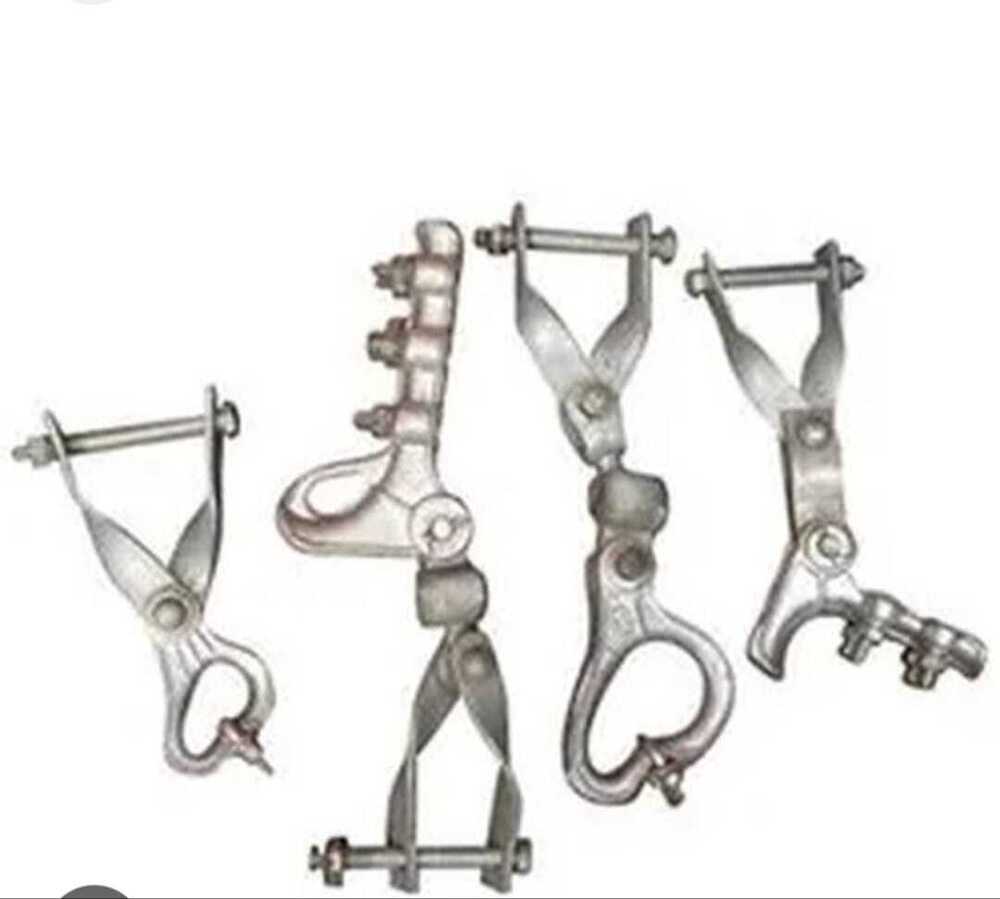
Highlighted for their uncommon mechanical strength and perfect engineering, our Transmission Line Hardware Fittings are the paragon of durability and reliability. Designed for outdoor, heavy-duty applications, each fitting is compatible with ACSR, AAAC, and AAC conductors and supports loads from 70 kN to 260 kN depending on the type. Hot Dip Galvanized to 86 microns, they offer superior corrosion protection and high tensile strength. Find quality assured through 100% visual and mechanical tests, suiting overhead transmission line installation up to 765 kV. Now available for sale in custom or standard sizes, these fittings are built to last through variable environmental conditions and high voltage demands.
Exceptional Transmission Line Hardware Fittings
Our Transmission Line Hardware Fittings are engineered for the perfect blend of strength and durability. Featuring high mechanical strength and weatherproof construction, these fittings excel in commercial utility, ideal for use as connectors, support hardware, and suspension clamps in overhead transmission line installations. Designed for both single and multiple pole applications, they ensure robust performance even under challenging environmental conditions, offering versatility and reliability for power transmission projects across diverse terrains.
Reliable Supply, Secure Packaging & Timely Arrival
With strong supply ability, we meet bulk and repeated demand for Transmission Line Hardware Fittings globally. Goods are dispatched from major Indian FOB ports, ensuring prompt transportation and timely arrival. Each fitting is packaged meticulously to preserve quality during transit and handling. Our flexible sample policy allows clients to evaluate product quality before order confirmation, further amplifying buyer confidence in the fitting's performance and reliability upon delivery.
FAQ's of Transmission Line Hardware Fittings:
Q: How are these transmission line hardware fittings installed?
A: These fittings are installed manually or with the help of tools, ensuring a secure and precise connection to the transmission infrastructure. Suitable for both residential and industrial setups, clear instructions accompany each fitting for effortless installation.
Q: What conductor types are compatible with these fittings?
A: Our hardware fittings are compatible with ACSR, AAAC, and AAC conductors, making them versatile across a range of transmission projects and applications.
Q: Where can these fittings be used?
A: They are designed for outdoor overhead transmission line installations, supporting both single and multi-phase systems up to 765 kV, and function efficiently in varied environmental conditions.
Q: What corrosion protection is provided for these fittings?
A: Each fitting undergoes Hot Dip Galvanizing to a thickness of 86 microns, providing robust corrosion resistance ideal for harsh outdoor environments and prolonged periods of exposure.
Q: What is the process for quality assurance on these products?
A: All fittings undergo strict 100% visual and mechanical testing, ensuring compliance with IS, IEC, and ASTM standards for performance and safety before reaching the customer.
Transmission line hardware fittings are mechanical components used to suspend, secure, connect, and protect overhead electrical conductors and insulator strings. They must withstand immense mechanical tension, wind loads, ice accumulation, and electrical stress while preventing damage to the conductor.
Functional Classifications
1. Suspension Fittings
- Purpose: Hang conductors vertically from insulator strings on straight-line towers.
- Key Components: Suspension clamps (envelope or trunnion type) and armor-grip suspension units.
- Function: Free to oscillate, reducing bending stress at the support point.
2. Tension / Strain Fittings
- Purpose: Secure conductors firmly at dead-end, angle, or terminal towers.
- Key Components: Compression dead-end clamps, wedge-type strain clamps, and bolted strain clamps.
- Function: Withstand the full mechanical pulling tension of the span.
3. Link Fittings
- Purpose: Connect insulators to the tower cross-arm and join insulators to conductor clamps.
- Key Components: Anchor shackles, U-bolts, ball clevises, socket eyes, chain links, and yoke plates.
- Function: Provide flexible, articulated joints to prevent rigid bending stresses.
4. Protective Fittings
- Purpose: Shield the transmission system from electrical arcs and mechanical vibrations.
- Key Components: Arcing horns, corona rings, Stockbridge vibration dampers, and helical armor rods.
- Function: Dissipate wind-induced vibration and redirect high-voltage lightning surges away from insulator surfaces.
5. Connection / Splicing Fittings
- Purpose: Join two separate lengths of conductor together mid-span.
- Key Components: Mid-span compression joints, repair sleeves, and parallel groove (PG) clamps.
- Function: Restore 100% mechanical strength and ensure high electrical conductivity across the joint.
Material Specifications
- Galvanized Steel: Used for load-bearing links, shackles, and plates to provide maximum tensile strength; hot-dip galvanized to prevent rust.
- Aluminum Alloy: Used for components directly touching the conductor (like clamps) to prevent galvanic corrosion and minimize magnetic power losses.
- Malleable / Ductile Iron: Used for specific cast fittings requiring high impact resistance.
If you are sourcing or designing these components, let me know:
- The voltage rating of your line (e.g., 11kV, 132kV, 400kV)
- The type of conductor being used (e.g., ACSR, AAAC)
- Whether you need specific mechanical breaking load (MBL) limits
I can provide technical dimensions, installation guidelines, or international standard compliance lists (like IEC, ASTM, or BS).





 Send Inquiry


 Send Inquiry